Price figures are estimates from public bids and published price lists, not quotes. Where these numbers come from
Ice control is a craft. Picking the right material for the temperature, the surface and the site is half of it. Here is how the four common chlorides compare, plus how treated and colored salt fit in.
Temperatures are approximate practical working ranges commonly cited by manufacturers and transportation agencies. They aren't the lowest temperature the chemical can melt at in a lab. Real results depend on pavement temperature, sun, traffic and how much snow is on top.
| Deicer | Practical temperature range | Speed | Concrete | Plants and soil | Metal | Cost |
|---|---|---|---|---|---|---|
| Sodium chloride (rock salt) (NaCl) | Works best above about 15°F pavement temperature; slows sharply below that | Moderate. Needs moisture to make brine before it melts | Low risk on cured, sound concrete. Repeated freeze-thaw can scale new (under 1 year) or poor-quality concrete | Harmful in quantity: chloride and sodium build up in soil along walks and lots | Corrosive to steel, rebar and vehicles | $ Lowest |
| Magnesium chloride (MgCl₂) | Works into the single digits and below zero, commonly cited to around −5°F to −10°F | Fast. Gives off a little heat as it dissolves | Usually rated gentler on concrete than calcium chloride, but high concentrations can still react with cement paste | Generally less harmful to plants than rock salt at normal rates | Corrosive (a chloride), often sold with corrosion inhibitors | $$ Mid |
| Calcium chloride (CaCl₂) | The cold specialist, commonly cited to around −20°F to −25°F | Fastest. Releases heat as it dissolves and pulls moisture from the air | Can contribute to scaling if overused; follow label rates | Can burn plants at high rates | Corrosive to metal; leaves a slick residue if overapplied | $$$ Highest |
| Potassium chloride (KCl) | Weak in real cold. Most useful above about 20°F–25°F | Slow | Low risk on sound concrete | Gentler on plants at normal rates (potassium is a plant nutrient), but still a chloride | Corrosive (a chloride), mildly | $$ Mid–high for what it does |
On a phone, scroll the table sideways. Cost tiers are relative ($ = lowest), not prices.
Treated salt is plain rock salt pre-wetted with a liquid deicer, such as magnesium chloride, calcium chloride or a beet-juice style agricultural blend. The liquid coating:
Pre-wetting rock salt with brine at the spreader works the same way, mixed on the truck instead of at the yard.
A blue or green dye in treated salt or ice melt doesn't change how it melts. It changes what you can prove and control:
General guidance only. Always follow product labels and Safety Data Sheets, and your insurer's documentation requirements.
Calcium chloride works at the lowest temperatures, followed by magnesium chloride. Plain rock salt slows down sharply below about 15°F.
When temperatures drop or you're fighting bounce and scatter, yes. The liquid coating helps it work colder and faster and stay where you put it.
So everyone can see it was applied. It's visual proof of service for clients and records, and it keeps crews from over-applying.
No chloride is risk-free. Avoid heavy deicer use on concrete less than a year old. On cured, sound concrete, use the right product at the label rate and clear slush so it doesn't pond and refreeze.
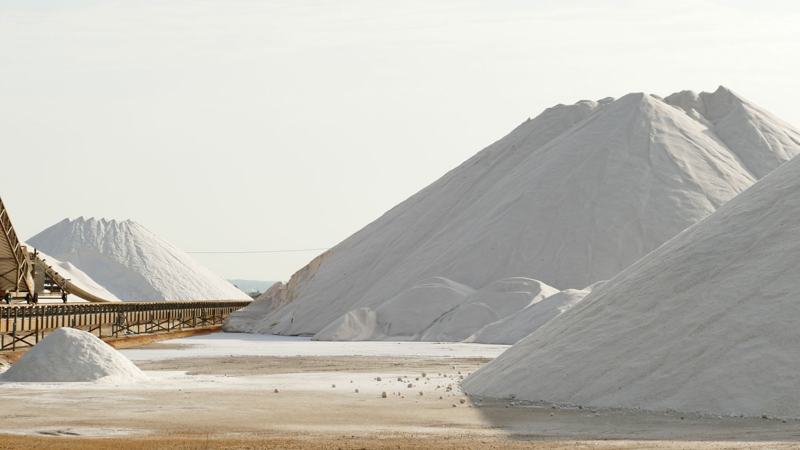
Plain sodium chloride by the ton. The workhorse for lots and roads above about 15°F.
More →
Rock salt coated with liquid deicer and dye. Works colder, bounces less, and shows where it went.
More →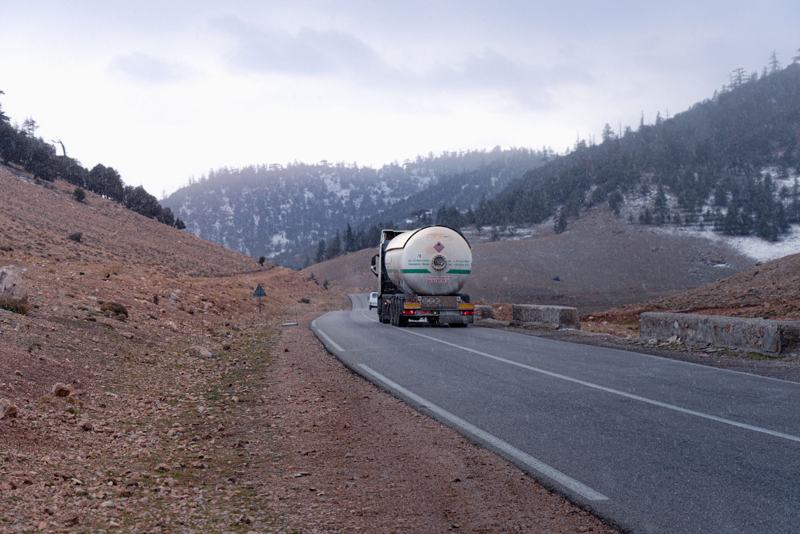
Anti-icing before the storm and pre-wetting at the spreader. By the gallon or tanker.
More →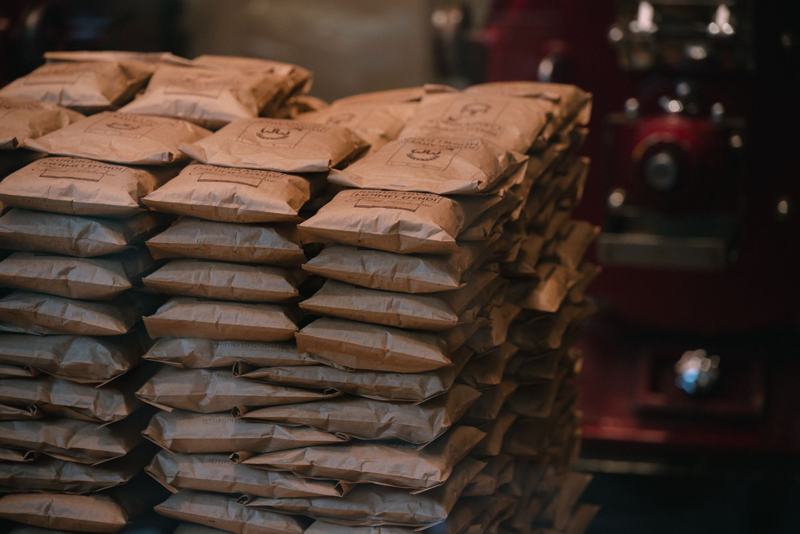
Bagged rock salt, ice melt blends, mag and calcium chloride and pet-safe melt, by the pallet or the bag.
More →Talk to people who've run plows at 3 a.m. We know what it's like when the shed is empty, the radar is lit up and your clients expect dry walks by 7. Tell us what you need, and you'll get a straight answer and a written quote, not a sales pitch.
Quotes are answered by a wholesale supplier serving Denver, Colorado Springs and the Front Range. Final prices, minimums and delivery area are on your written quote.
